Handling Koi: What, How and When
When we handle our Koi this must be done with the utmost care and we recommend using the correct equipment to do so.
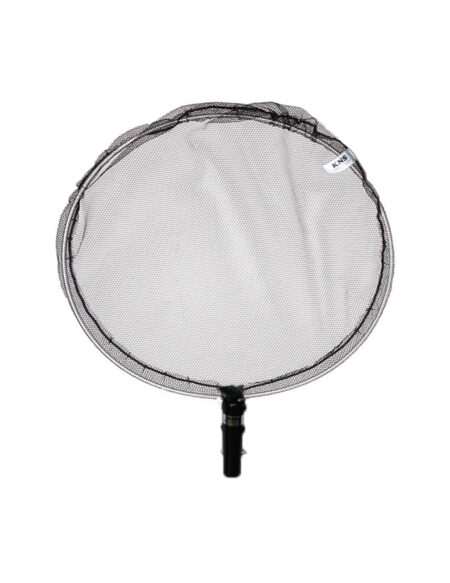
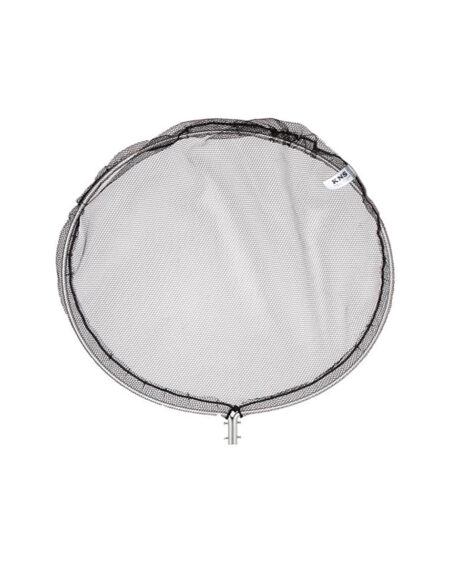
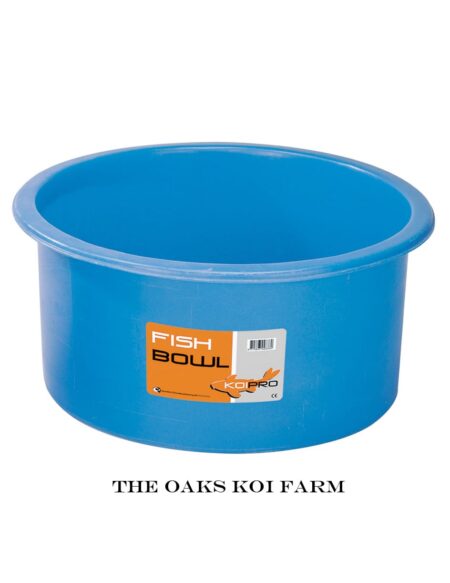
A pan net and Koi bowl are what’s required here, and a Koi sock, should the need arise to remove the Koi from the pond.
When we net our Koi to get a closer look, whether it be to take a mucus scrape, or even just to measure and photograph them for a development record, it is vital to use the right equipment, and be in the right frame of mind.
It will require you having patience and not be in a rush to go somewhere, so leave enough time to complete the task in hand.
Netting Koi can be an art form, trying to understand what the Koi’s next move will be can be of great help here, but the main thing to do is to take your time, not to chase the Koi round the pond and cause it even more stress, because believe me they don’t really like being caught, they would rather be left alone to swim around their pond.
When using the pan net we suggest you have one big enough to comfortably coax the Koi into the bowl or Koi sock. The net isn’t designed for lifting the Koi out of the water, it is for coaxing and directing them safely to a bowl. Try to keep the head of the Koi facing you, and facing the net, as you guide it towards you and the bowl, this way the Koi can’t jump and risk damaging itself. Once the Koi is being directed to the bowl, the bowl can be tipped on its side and the Koi with help from the net, will swim into the bowl. The bowl will float on top of the pond with enough water in to cover the Koi. There isn’t a need at this stage to remove the Koi from the pond, it can be visually checked in the bowl.
All this must be done with patience, and it will become easier with time.
Pan nets, bowls, and Koi socks are always in stock and available to purchase here at The Oaks Koi Farm, click the link to take you directly to our stocks. Click Here
Once the Koi is safely in the bowl it can be inspected, a mucus scrape taken, or topically treated if the need arises.
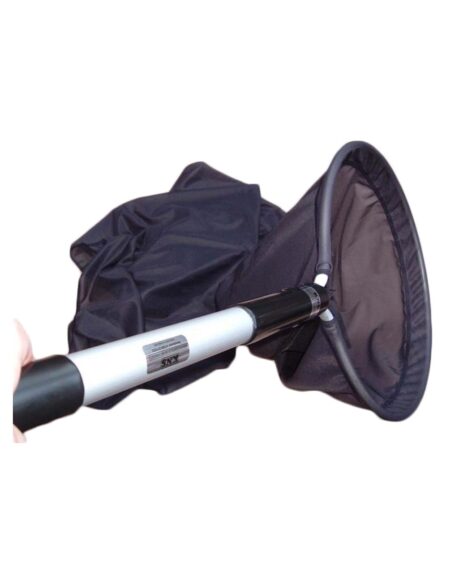
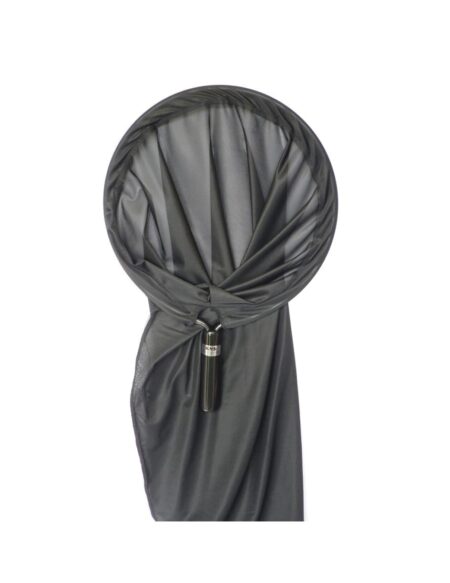
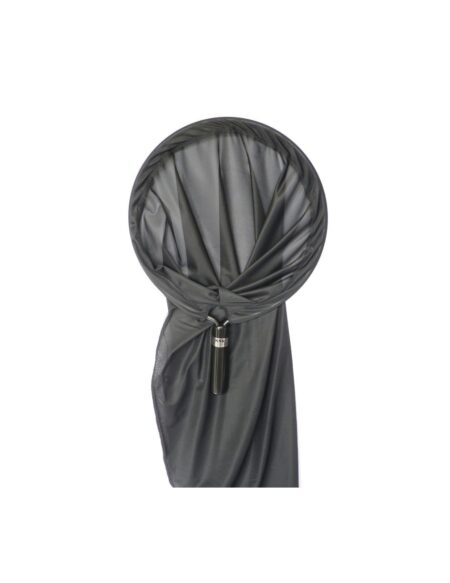
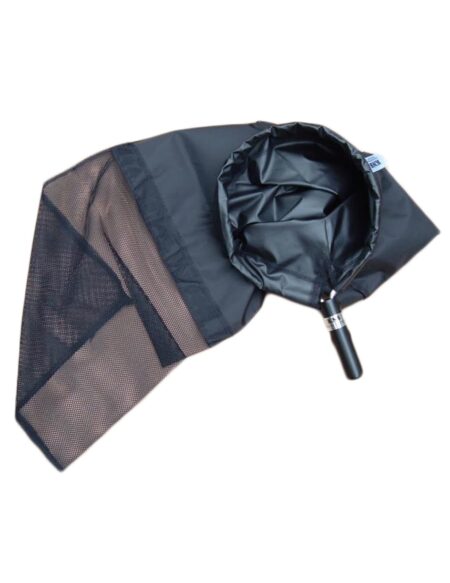
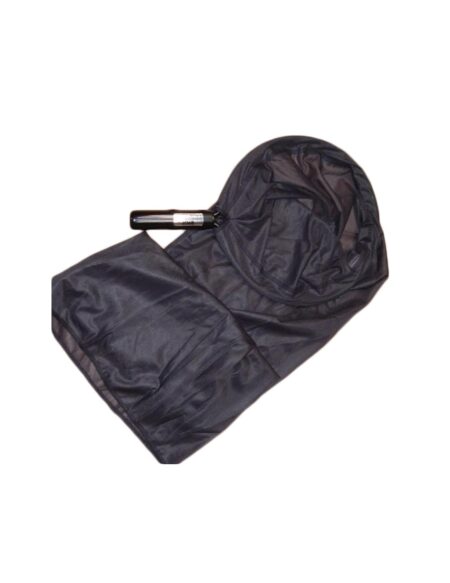
If the Koi needs to be sedated for whatever reason then we suggest you prepare a bowl externally from the pond, with the correct amount of sedative / relaxant ready to receive the Koi. This time the Koi sock will be used to safely move the Koi from the pond and into the awaiting bowl. A Koi sock is generally made from very soft material so that it doesn’t damage or irritate the Koi. The sock has a comfy grip handle, and a wide neck to direct the Koi into, then the tube of the sock is generally from 36 inches long to around 56 inches long dependent on the particular manufacturer. There are also many different types of Koi socks on the market, and waterproof and non-waterproof ones too. The waterproof socks are designed to carry the Koi and some water around the Koi, the only thing with these types of socks is the added weight of the water, although it has a perforated section at the bottom of the sock to remove the water without releasing the Koi, so best of both worlds really, and down to personal preference I guess.
Using the Koi sock correctly ensures the safe movement for the Koi, once the Koi is in the sock you firmly gather the material at the bottom so you can grip it tightly, then twist the top over with the handle, to prevent the Koi escaping.
Koi socks are also manufactured with long handles, wider necks, and quick release handles for easy storage. We sell a wide range of Koi socks, nets, and bowls, and we will certainly have some to suit your requirements.
Now we’ve talked about the basics of Handling Koi, we will mention a few tips also.
When you are netting Koi try not to approach the Koi with the net from the tail, as if the net touches the Koi it can startle it, and could cause it to jump and damage itself, always have the head of the Koi facing the net. Some Koi are more difficult to catch than others, another way to catch them is to utilise a pond wall, and effectively trap the Koi against the wall and then raise the net vertically then tip back to horizontal once at the surface.
You may well of seen Koi breeders carrying the Koi in their bare hands, as demonstrated in some of the pictures within this section. This is not for the fainthearted, or inexperienced and can be a potential risk, as accidents do happen, sometimes a Koi transport bag is used for larger Koi, as a small amount of water can be kept around the gills of the fish, and the bag can be rolled along the length of the bag to form a good grip, and also to stop the Koi from thrashing around whilst being carried, also seen in the pictures.
The main things to bear in mind here are to take your time and be patient, they say “Slowly Slowly catch the Monkey”, or should I say the Koi.