The first order of business is to understand just what we are trying to achieve. Great water quality is three simple words that mask a lifetime of complexity, however using our combined experience and understanding in this information resource, we have condensed and where possible simplified solution-based information, with the aim of helping you do better than we did during our roller coaster journey on the Koi learning curve!
There are of course literally dozens of elements and parameters in water, however, not all are born equal and absolutely some are more important than others to Koi Keepers. We discuss the ‘what to test’ elements in detail in the Water Quality section of this information resource. In this section we want to discuss the how-to test options or to be more specific ‘what to test with’.
Reagent Kits & Reagent Kits
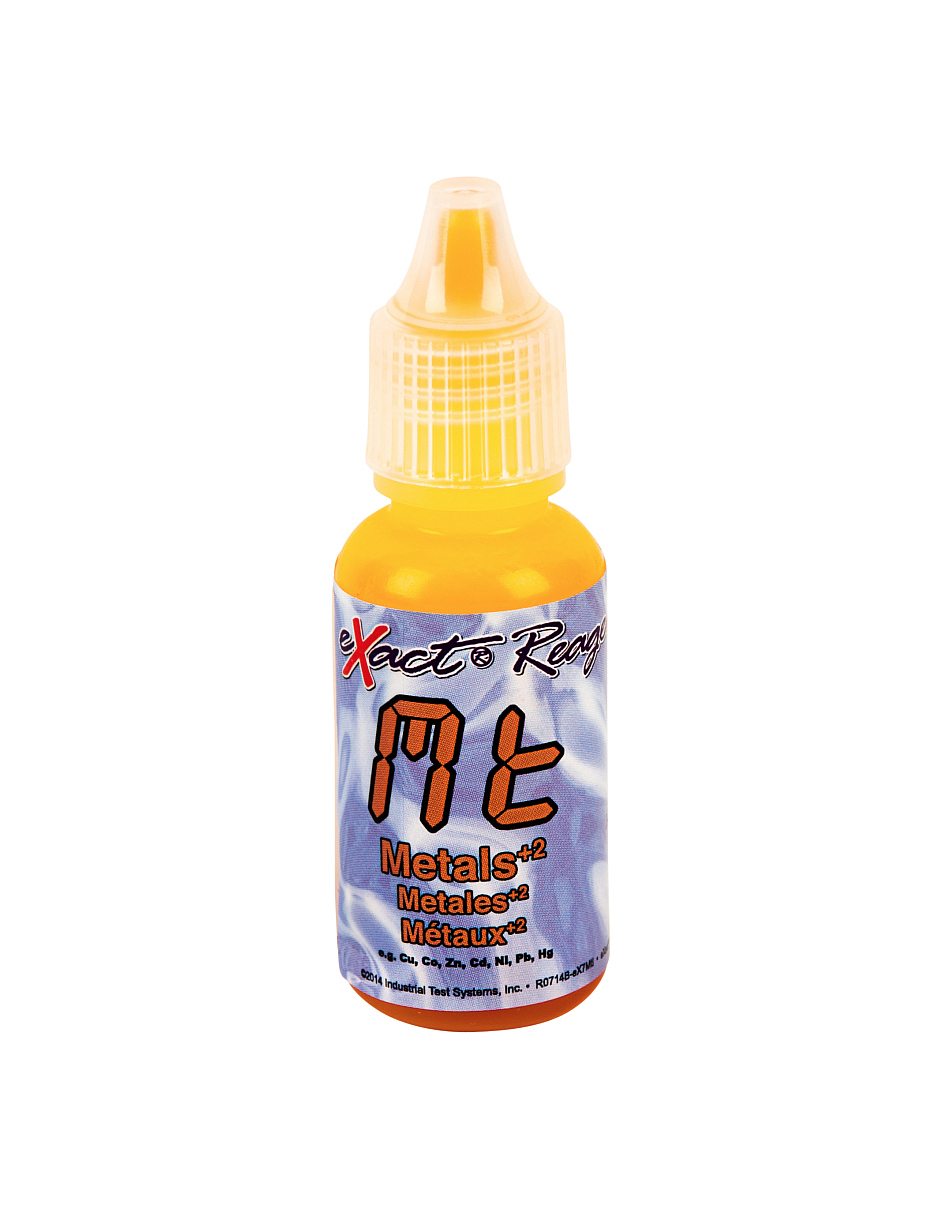
The basic entry-level of water monitoring is the use of reagent water quality test kits. These are simple and quick to use and offer colour chart indications of the results. They are notoriously inaccurate and even the best of them really only have any value in general indication terms and comparability. That’s the bad news. The good news is that they’re relatively cheap, simple to use and do deliver a reading that you can read and record. Over the years we’ve tried them all and identified the best, which are the only ones we sell.
Digital Test Equipment
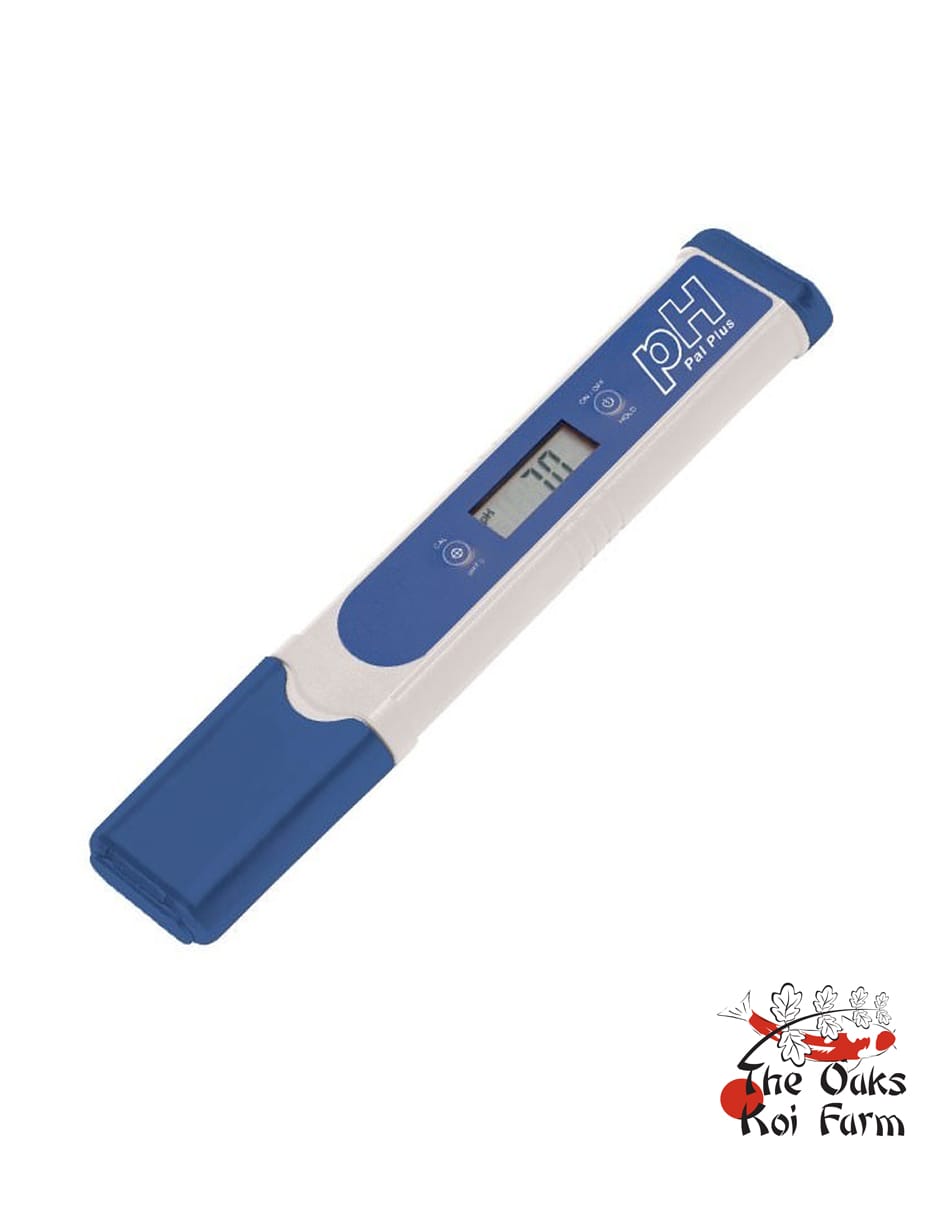
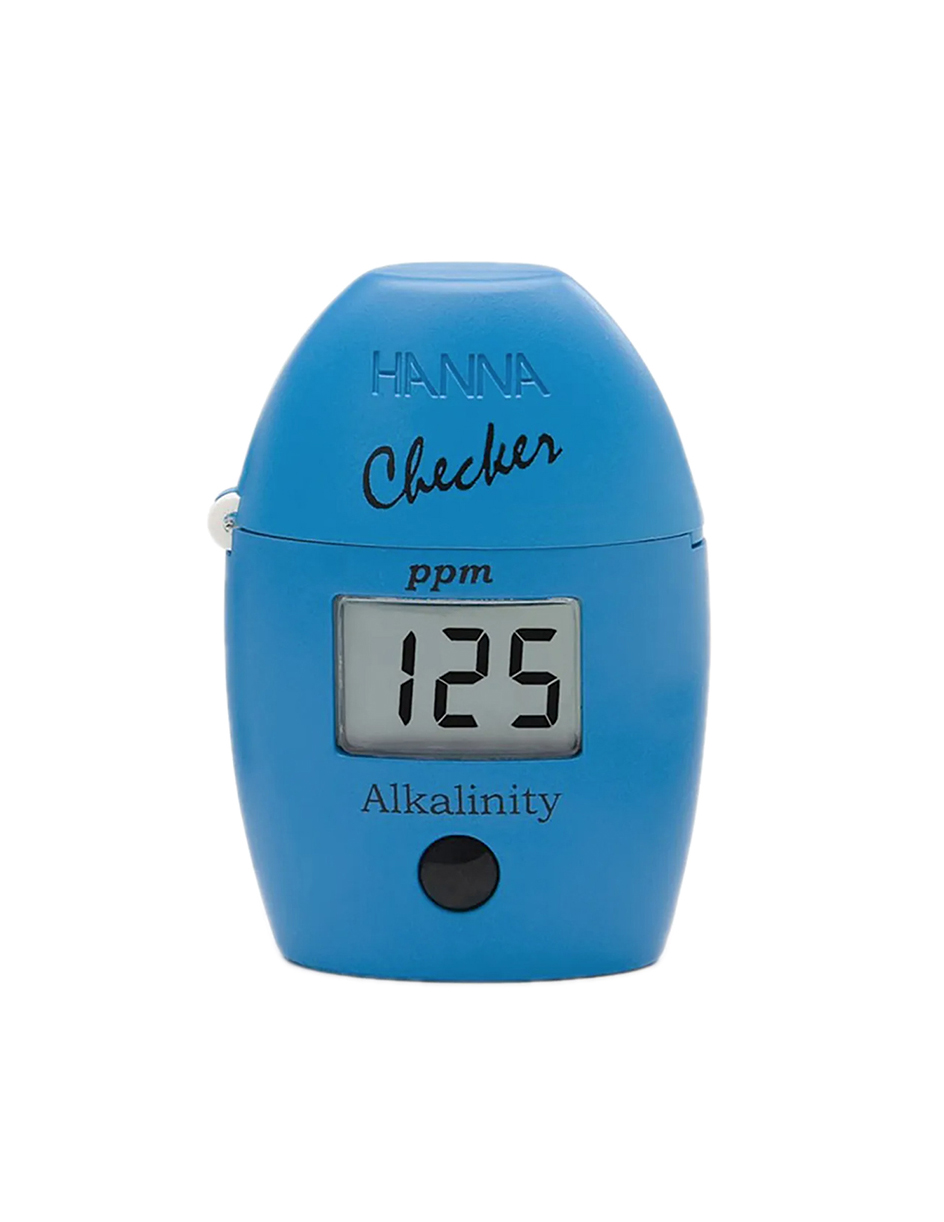
The next level up from the reagent kits is our range of digital test equipment. These are available in various levels of sophistication, and deliver more accurate readings and instead of a colour chart, you have to read and interpret these devices via a specific digital result reading. The more accurate of these devices often require regular calibration. They are more expensive, but they’re also significantly more accurate.
Electronic Test Equipment
While this laboratory-grade equipment was once the domain of Koi professionals, increasingly sophisticated manufacturing and reductions in component costs have driven the price of such equipment much lower, and today many serious Koi Keepers opt for this level of test equipment sophistication. In addition to extremely accurate readings, this equipment offers real-time and in-line testing. Increasingly this level of equipment is also now linked up to remote recording and monitoring kit, often also with alarm function, so if for example your pH goes out of a preset range, the equipment sends you a text. While some may regard this degree of gear as excessive, actual owners would often not part with theirs, and many will recount cautionary tales of how it saved their bacon on many an occasion… As with all things, different strokes for different folks!
What to test?
Traditionally, water from the pond is used for water quality parameter testing. While this is fine, it’s not the full story, and as a minimum we recommend you also regularly test your tap water, as an absolute minimum for: kH, O2, pH, Chlorine, Nitrite and Ammonia.
Keep Records
When it comes to Koi Keeping, guesswork is a great big NO NO. So at the risk of pointing out the obvious, please record the results of you chosen water monitoring activities. It’s also a good idea to keep them, and keep them permanently. If you don’t like paperwork record them on a spreadsheet on your computer, iPad or even your phone. While they’re always useful they come into their own when the proverbial hits the fan and something goes wrong. This information assumes an entirely new level of importance, as its often the case that without it your chances of identifying and solving whatever problem you may have, is significantly reduced.
Trade Secret…
While it’s dangerous to generalise, it’s vital you check everything, the nature of Calcium Carbonate and its importance to so many important functions in our systems, kH is always a great test to start with. It needs to be above 100 ppm = mg/l or around five reagent drops to turn it blue, if that’s what you’re using. If it’s below 100 it needs buffering with kH up buffer or at a push as a short term fix, you can use bicarbonate of soda. We recommend proprietary buffer simply because bicarb contains all kind of anti-caking agent, an additives that can degrade beni! We can’t prove that but our empirical experience indicates it to be the case.