So the first order of business is to understand the specific make up of your source water. Go to your water utility suppliers web site and sign up for an account. Then go to Help & Support and click on Your Supply. Then enter your postcode in the Check Your Water Quality box, and submit.
The web site should then provide you with a summary of the supply to your postcode. The headline information provides the readings for the most important dozen or so elements, but if you click on the Full analysis section you get readings for more than fifty elements.
This is very important information that we’d urge you all to seek out and keep a record of. Get to know your source water supplier, the information is dynamic and does change, so try and gather it at least quarterly, that way you can compare results and see what if anything has changed. By far the most important use for this information, is so you can formulate your insurance/protection strategy. By understanding what you’re up against you can more accurately specify exactly what level of dechlorination and purification is required, for your specific system.
Can we trust the readings?
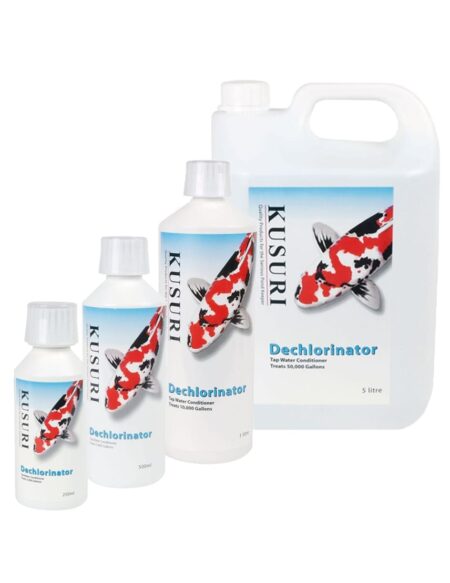
The simple answer is yes. However, given that the supply companies control the timing and location of testing, interpretation requires a degree of circumspection. This is especially true when it comes to Chlorine in particular. Given the innate sensitivity of Koi to Chlorine, we don’t believe its enough just to accept the low levels readings as always the case. Our unequivocal advice given all our collective experience is to assume the opposite is the case, and assume levels of Chlorine are a problem and deploy and maintain effective Dechlorination to your system 24/7 – 365 days to deal with it.
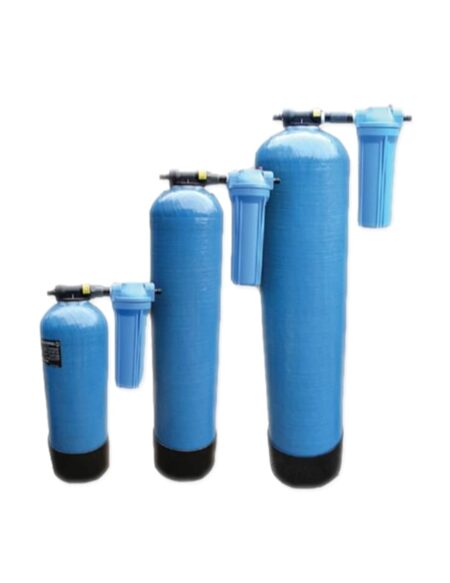
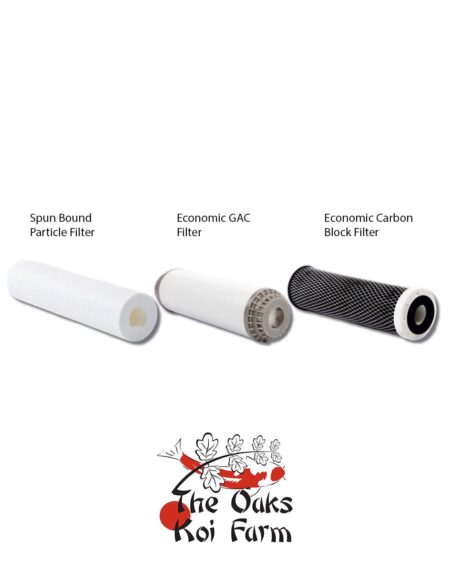
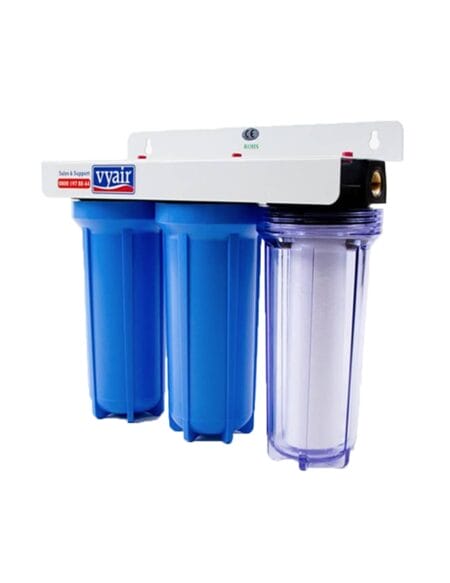
A quick scan through the numbers might offer a semblance of reassurance, but our experience over the years offers a very different story, and is why we recommend unequivocally you deploy and maintain the very best Dechlorination and Purification equipment your budget permits. If you don’t have a budget sacrifice the purchase of that special Sanke or Kohaku, and buy yourself some protection instead!
By taking unilateral action to ensure our source water is safe for our Koi, we can now move on to managing water changes in our systems.
Changing water in Koi systems revitalises and refreshes, and is a very important tool at our disposal in managing our systems. However, it’s only such if we deploy it correctly. It’s also important to consider that what’s appropriate for you might not be such for a Koi pal a mile away. Source water is very much specific to you.
At this point we also want to remind you, if you need reminding, that water is expensive. Most of us these days are on water meters so not only are you paying for what you use, you pay for its disposal too. You also pay for rainwater that falls on your property, so the total represents a significant overhead cost for most Koi Keepers, and just because its perhaps a bit less obvious a spend, than other consumables like Koi food etc, its still a significant cost so any savings are helpful. Like many things in Koi, the best way to get the best value is to get a plan! and that’s also true of water changes.
Water Change Options
Flushing bottom drains to waste is an effective way to remove organic waste, but its also a relatively expensive one. No one is suggesting you don’t flush bottom drains, but what we are suggesting is that you manage the activity. By planning drain flushes rather than executing them randomly, you will not only maximise the efficiency of the process in terms of your overall systems, but also save money.
As well as drain flushes and filtration discharges to waste requiring volume replacement, there’s another option – the constant trickle. Rather than replacing large volumes, the constant trickle enables us to replace large volumes over longer periods. There are operational benefits to the constant trickle as well as practical ones, because replacing water slowly changes the environment less aggressively, and Koi are extremely sensitive to any and all changes to their environment, not just temperature but subtle changes like pH, kH and many other elements that by definition change when water is changed or replaced. So changing it slower and less extremely offers fundamental benefits. By deploying regular smaller changes via the constant trickle rather than large replacement of dumped wastewater, the changes profile graph of your pond can be flattened, to your and your Koi’s benefit.
Levels
All Koi systems are sensitive to changes in water level. For most three’s a maximum they can tolerate before settlement chambers and pumps are starved and stall. It’s important to be aware of just what those levels are in your system and manage water changes accordingly. If you drop so much water from your system that the filter can’t operate, you risk the vital nitrifying bacteria in it being compromised. They not only require a constant food source, but a constant flow and source of oxygen. All these are compromised if water levels are dropped below those whereby it can function.
Similarly, if you flood your system with too much water when you forget to turn the top-up tap off you risk catastrophic damage to exposed electrics and hydraulic failure, due to increased pressure. It’s therefore important to include some form of automatic shut off for top-ups, and levels management devices, to prevent either extreme. These days there’s lots of clever level sensing and measurement equipment available, but the good old ball valve does the same job for the technophobes. It is always good practice to install an overflow on your pond, this is very handy when it rains, and boy does it rain sometimes, but it’s especially handy when you employ the trickle in / trickle out method.
Given the reducing cost of much of the tech now available including remote sensing and monitoring equipment like CCTV, means you can include all this protection at an affordable cost and even monitor it all on your phone!
By using water changes as another tool of your Koi keeping trade rather than randomly as many of our forbears did, we can not only maximise the benefit but minimise the total cost, another example of us controlling it rather than it controlling us!