Dechlorination
Dechlorination
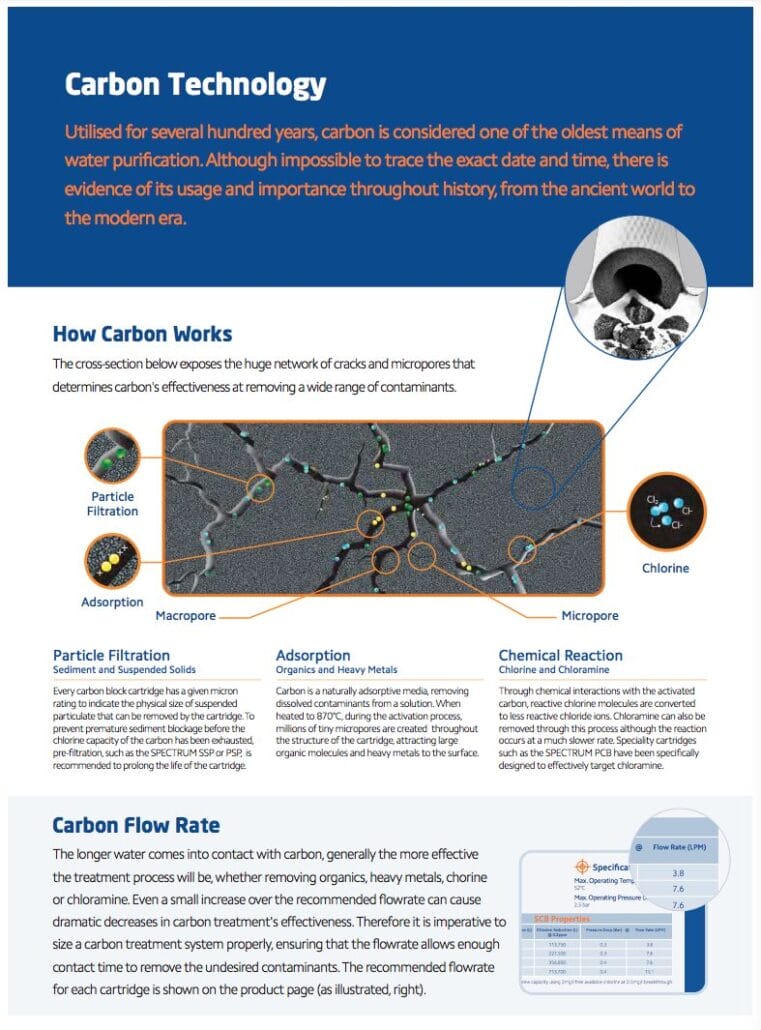
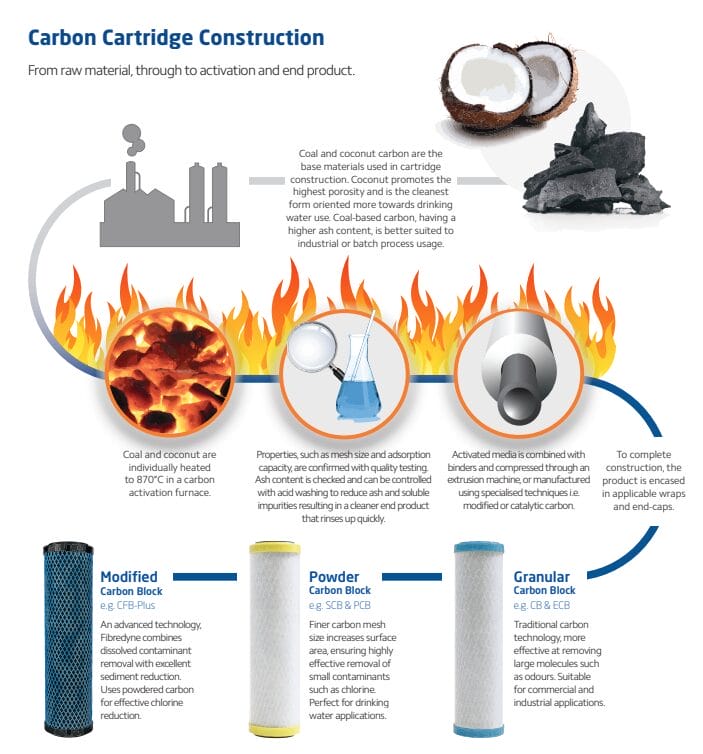
Koi are actually surprisingly robust but not much is “robust” when poisoned with chemicals. To take perhaps the biggest culprit of Koi deaths is Chlorine. In the pre privatised days there wasn’t any more or less Chlorine used then as there is today. The problem isn’t so much how much, but the what kind and how. In 1990 most of the UK’s water companies Chlorinated their supplies with Chlorine gas. Today, although we stand to be corrected the most of it is now none. They all now use cheaper more stable chemical chloramines.
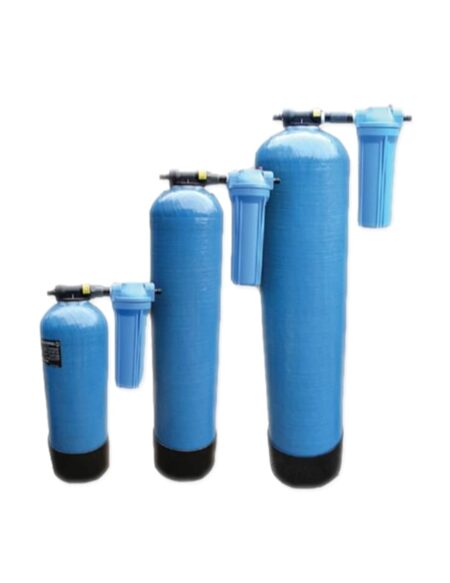
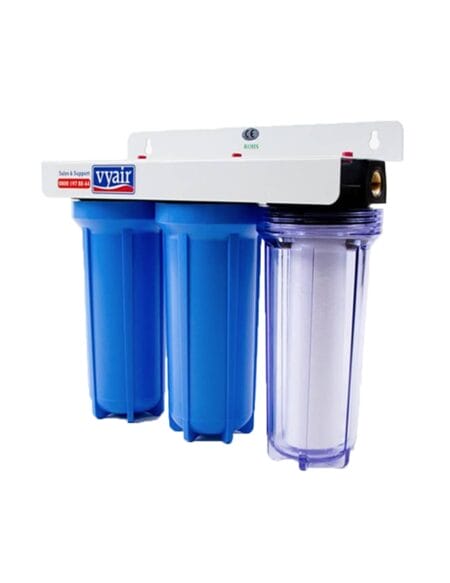
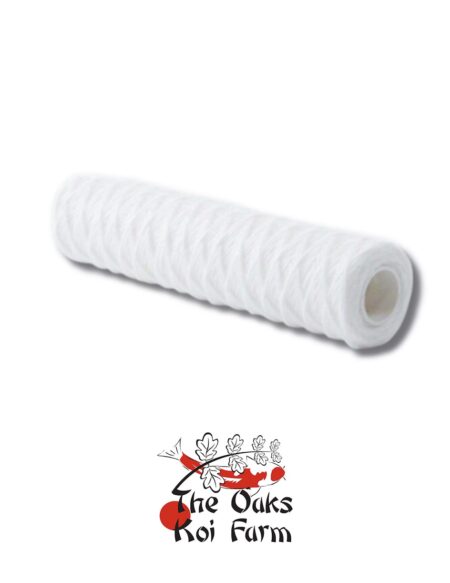
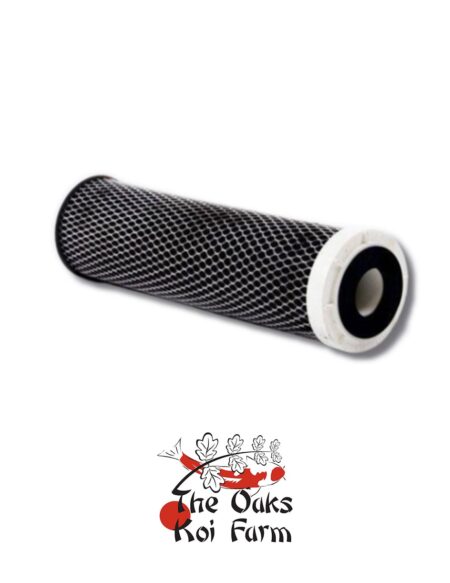
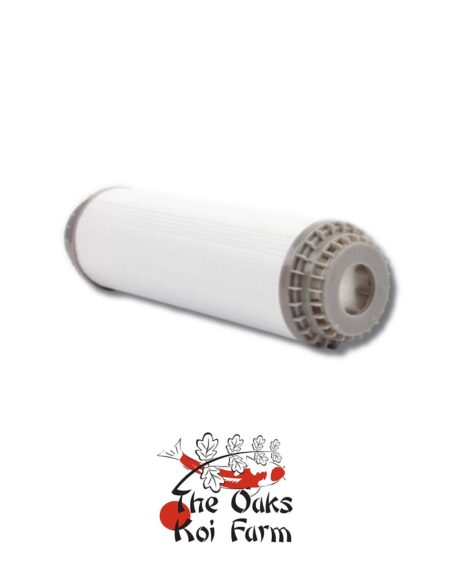
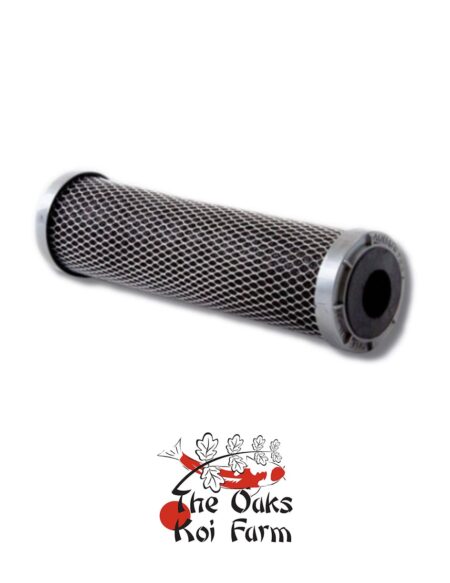
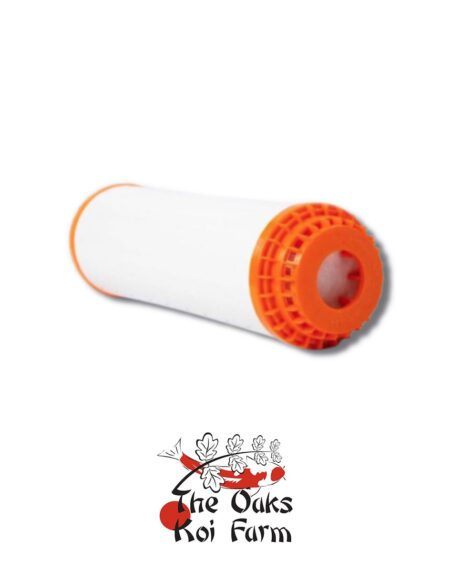
There’s a wide range of dechlorination equipment available today that works by removing Chlorine from your supply water, usually by a combination of mechanical membranes and ion exchange using a variety of activated particulate chemicals and resigns. The device size depends on your system gallonage and all of them require regular maintenance and replacement of the consumable elements. This might seem expensive, but it’s nowhere near as expensive as replacing dead Koi!
Water changes are also important for various operational reasons, from water replenishing minerals and salts, including magnesium and calcium, vital to both the development of your Koi and the successful operation and function of your system, to basic physics in providing the necessary hydraulic pressure for your system to run, when levels are topped up.
Water is the ultimate fragile interface between our Koi and us, and we are responsible for every element of it, from ensuring source water is suitable in the first place, to providing operating and maintaining both mechanical and biological filtrations, that together deliver the optimised water quality at the very heart of the Koi keepers challenge.